Why Rejen Studies Stories Like TOMS
At Rejen, we believe that storytelling isn’t just a marketing tool, it’s a force for shaping culture,
shifting mindsets, and inspiring action. We study brands like TOMS because they demonstrate
how a clear mission, anchored in authentic storytelling, can drive not only growth but genuine
impact. The TOMS story is a blueprint for how purpose and profit can work in harmony and how
the right narrative can transform a business into a movement.
TOMS: A Story That Gave Back
When TOMS Shoes launched in 2006, it wasn’t just introducing a new product, it was pioneering
a new model of business entirely. The now-famous “One for One” campaign promised that for
every pair of shoes purchased, TOMS would donate a pair to a child in need. This simple, yet
powerful promise formed the heart of the brand’s mission and marketing strategy.This led to
future brands and companies tying their product or brand image to the bettering of a cause.
The goal of the campaign was to build a profitable, scalable business and to create meaningful
social impact. Founder Blake Mycoskie’s vision was to show that companies could do good and
do well simultaneously. This proved that social entrepreneurship wasn’t just a trend, but a viable
long-term business strategy. TOMS didn’t just market shoes, it told a story that emotionally
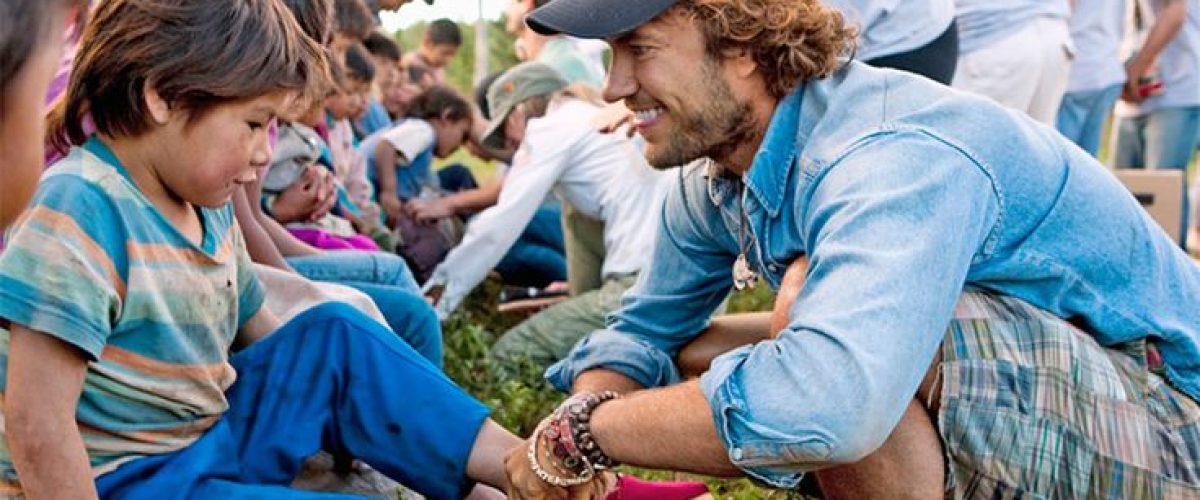
connected with its audience. The narrative began with Mycoskie’s trip to Argentina, where he
witnessed children growing up without basic footwear. He was moved by this experience,
leading him to create a company that would use consumer purchases to directly fund charitable
giving. This story became the focus of the TOMS brand, appearing in everything from product
tags to founder interviews and even digital content. Customers weren’t just buying shoes, they
were buying into a mission.
TOMS paved the way as one of the early examples of storytelling for social impact in brand
marketing. The “One for One” model was easy to understand, easy to share, and deeply
human. It turned a standard consumer act; buying shoes, into an act of global compassion. That
emotion sparked not only purchases, but brand recognition, as customers spread the story
organically through word-of-mouth and social media.
The “One for One” campaign led to explosive growth. Within just a few years of launching,
TOMS had given away millions of shoes in over 60 countries. By 2013, the company had
donated more than 10 million pairs. But the impact wasn’t just numerical. TOMS helped define
the “conscious consumer” era, proving that people wanted to support businesses that aligned
with their values. It also inspired a wave of social impact-driven brands and business models,
many of which adopted variations of “buy one, give one.” Over time, TOMS expanded the “One
for One” model to include other causes such as providing clean water, safe births, and mental
health support. Though the model has since evolved, the campaign left a mark on both the
company and the broader marketing landscape.
TOMS succeeded because its message was incredibly simple: buy one, give one. In a world full
of complex campaigns, simplicity bypasses confusion and helps consumers quickly grasp and
share your mission. By anchoring the brand in a personal story, TOMS created emotional
connection. Customers didn’t just buy a product, they felt part of something bigger. This
emotional investment translates into deeper brand loyalty. The success of TOMS proved that
having a cause can drive growth. In a market where consumers increasingly care about ethics,
sustainability, and impact, integrating purpose into your brand is no longer optional, it’s
essential.
TOMS was effective because the mission was real. Mycoskie’s story, the on-the-ground work,
and the transparency of impact reporting all contributed to a sense of authenticity. Without that,
even the most well-intentioned campaigns can fall flat or be dismissed as “cause-washing.”
TOMS eventually shifted away from the original One for One model, recognizing that impact
needs evolve and that giving isn’t always the most sustainable form of help. This shows that
purpose-driven brands need to be responsive, learning from both data and the communities
they serve. TOMS’ “One for One” campaign is more than just a marketing success story, it’s a
case study in how brand storytelling, purpose, and business strategy can align to create lasting
impact. For modern businesses looking to connect with consumers, build loyalty, and make a
difference, the TOMS model offers valuable inspiration: lead with purpose, tell a powerful story,
and deliver on your promise.
Our Take at Rejen
We share stories like TOMS to show what’s possible when a brand leads with heart. At Rejen,
we help brands uncover their deeper purpose and craft narratives that connect, inspire, and
build loyalty. If your company is ready to lead with impact, let’s tell a story worth spreading.